
Healthcare Is Moving Beyond the Doctor’s Office
For many Americans, keeping track of their health has traditionally meant scheduling an appointment, visiting a clinic, and waiting for test results. That model is beginning to change. Smartwatches, wearable glucose monitors, cardiac patches, and other connected medical devices are making it possible to collect health information during ordinary daily activities, from morning workouts to a full night of sleep.
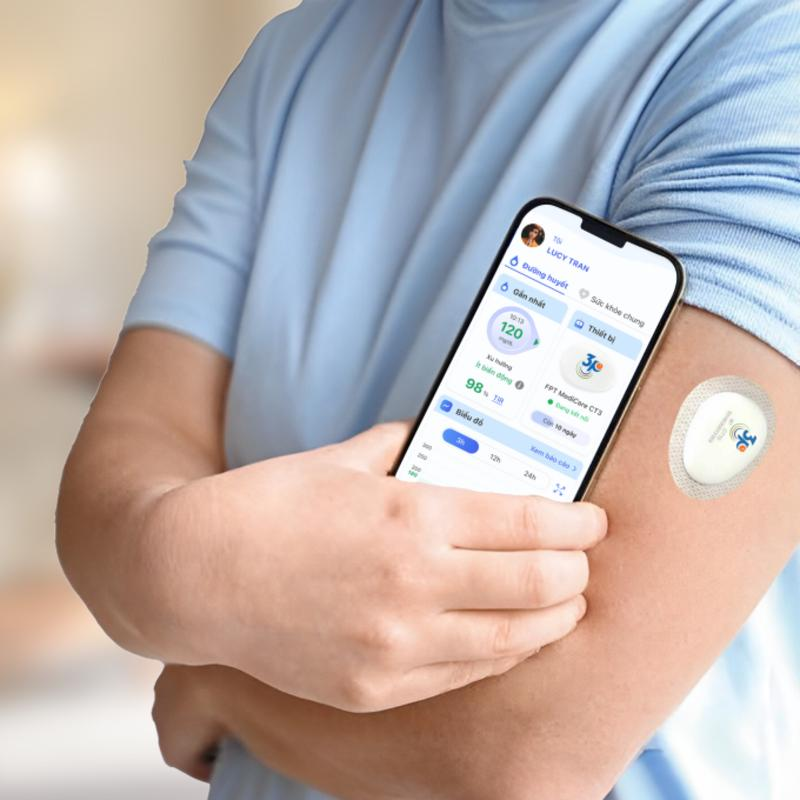
The appeal is easy to understand. Instead of relying entirely on measurements taken during occasional appointments, patients and healthcare professionals can gain a more continuous picture of what is happening between visits. A person managing diabetes, for example, may use a continuous glucose monitor to follow glucose trends throughout the day. Someone undergoing cardiac monitoring may wear a small sensor that records information for later review by a medical team.
This shift is attracting attention across the American healthcare and technology industries. The U.S. Government Accountability Office published an assessment in August 2026 examining the potential benefits and challenges of wearable technologies in clinical decision-making. Its findings highlight an important distinction: health-related wearables can offer useful information, but their reliability and suitability for medical decisions vary by device.
The next stage of wearable healthcare will depend on more than attractive designs or smartphone notifications. It will require dependable sensors, secure data systems, clear clinical evidence, and power systems capable of supporting consistent operation.
From Fitness Tracking to Medical Monitoring
The first generation of popular wearables largely focused on counting steps, estimating calories burned, and encouraging users to exercise. Modern devices can measure a broader range of signals, including heart rate, movement, sleep patterns, and, in certain medical products, glucose levels or electrocardiogram data.
These capabilities are changing how consumers think about personal health technology. A smartwatch might help someone notice changes in resting heart rate, while a prescribed monitoring device could collect information that a clinician uses as part of a specific care plan. Wearable technology is also creating new opportunities for people who live far from medical facilities or have difficulty attending frequent appointments.
However, not every health feature has the same medical status. A consumer wellness tracker is not automatically a diagnostic instrument, even if its readings look similar to those from a medical device. Users should check the intended purpose of a product and understand which features have received appropriate regulatory authorization.
For healthcare providers, the real opportunity lies in turning useful measurements into meaningful decisions. A stream of numbers is not necessarily valuable on its own. Information becomes more useful when it is accurate, interpreted in context, and delivered to the right professional at the right time.
Why Remote Patient Monitoring Is Gaining Momentum
Remote patient monitoring allows certain health measurements to be collected outside traditional healthcare facilities and shared with a care team. Depending on the device and treatment plan, this can help professionals review trends without requiring every measurement to take place in a hospital or clinic.
For Americans managing long-term conditions, that convenience can make a meaningful difference. Older adults may appreciate fewer unnecessary trips. Patients recovering at home may benefit from structured follow-up. People with demanding work schedules may find it easier to complete routine monitoring without interrupting their entire day.
The model also offers potential advantages for clinicians. Measurements collected over time may reveal patterns that a single office visit cannot capture. A doctor could review changes across several days rather than relying solely on one reading taken during a short appointment.
Still, remote monitoring is not a universal replacement for in-person care. Some patients need physical examinations, laboratory tests, or immediate emergency assessment. Device readings may also be affected by movement, sensor placement, skin contact, or other technical limitations.
Healthcare organizations must therefore decide which patients benefit from remote monitoring, which measurements matter, and how staff will respond to alerts. Without a clear workflow, a growing volume of information can create additional work rather than better care.
The Power Challenge Behind Connected Medical Devices
The most visible parts of a wearable device are its sensors, screen, and companion app. Yet another component often determines whether the product is practical for everyday use: its power system.
A device that needs frequent charging may be inconvenient for someone who depends on continuous monitoring. A sensor that loses power at an inconvenient moment can interrupt data collection, potentially leaving gaps that complicate later review. For this reason, manufacturers must balance operating time, size, weight, energy consumption, and charging convenience.
The importance of a medical battery depends on the device itself. A rechargeable battery in a wearable monitor must support the product’s intended operating schedule, while a battery-powered diagnostic instrument may have different requirements for runtime and portability. These products cannot all be evaluated using the same standard.
Engineers also need to consider how wireless communication affects power consumption. Bluetooth connections, cellular transmission, continuous sensing, displays, and local processing all use energy. A device that sends frequent updates may require a different power strategy from one that stores measurements and transmits them periodically.
Designers can improve efficiency through lower-power sensors, optimized software, careful communication scheduling, and energy management systems. The goal is not simply to fit a larger battery into a smaller product. It is to deliver dependable performance without compromising comfort, safety, or the quality of collected data.
Continuous Glucose Monitoring Shows What Is Possible
Diabetes care is one of the clearest examples of how wearable medical technology can move health information closer to everyday life. Continuous glucose monitoring systems use a sensor to measure glucose levels over time and display readings or trends through a compatible receiver or smartphone.
In August 2026, the U.S. Food and Drug Administration announced authorization of the Libre Duo 10 Day Continuous Dual Glucose Ketone Monitoring System. According to the FDA announcement, the device is designed to monitor both ketones and glucose continuously and is authorized for people aged two and older living with diabetes.
The development illustrates how wearable sensors are expanding beyond a single measurement. Tracking additional physiological information may help eligible users and healthcare professionals identify warning signs that deserve attention. The precise clinical use depends on the product’s instructions and the patient’s care plan.
Reliability remains essential. Users need to understand sensor limitations, follow instructions, and know when a result requires confirmation or professional advice. Digital readings can support care, but they do not eliminate the need for appropriate medical judgment.
Power management matters here as well. A medical battery must suit the particular device’s design, energy demands, and expected operating period. Some systems use small disposable or rechargeable power sources, while others rely on a separate reader or smartphone. The actual configuration varies, so patients should follow manufacturer guidance rather than assume every wearable charges in the same way.
Smartwatches and Heart Health Need Careful Interpretation
Smartwatches have helped introduce heart-rate monitoring and selected heart-related features to a broad consumer audience. Some devices can record an electrocardiogram or notify users about particular irregular rhythm patterns, depending on the model, jurisdiction, and applicable authorization.
These features can encourage people to pay attention to changes they might otherwise overlook. They may also give users information to discuss with a healthcare professional. However, a notification is not the same as a confirmed diagnosis, and the absence of an alert does not guarantee that a person has no heart problem.
Accuracy can vary with the sensor, the activity being performed, the user’s physiology, and the conditions in which the measurement is taken. Medical professionals must also consider symptoms, medical history, and other test results before making treatment decisions.
This distinction is especially important as manufacturers add more advanced analytics and AI-assisted interpretation. Algorithms can help identify patterns, but their usefulness depends on validation, transparent limitations, and appropriate clinical oversight.
Consumers should treat wearable readings as one source of information rather than a substitute for medical care. Chest pain, fainting, severe shortness of breath, or other potentially serious symptoms require prompt medical attention regardless of what a smartwatch displays.
Artificial Intelligence Could Make Health Data More Useful
Wearables can generate large amounts of information, but patients do not always know what individual readings mean. AI-assisted tools may help summarize patterns, explain device notifications, or make it easier for users to communicate relevant observations to their healthcare teams.
A particularly notable development arrived in October 2026, when reporting on University of Pennsylvania research described an AI-driven platform designed to let patients interact with information from medical devices through a secure, health-focused application. The research initially focused on epilepsy and explored how device alerts and patient-reported symptoms might be brought together.
The concept points toward a more interactive relationship between patients and their medical technology. Instead of receiving an alert without context, a user might be able to review an explanation, report how they feel, and share that information with a care team.
Yet healthcare AI requires stronger safeguards than a typical consumer chatbot. Patient data must be protected, system outputs must be evaluated, and the technology should not confidently invent explanations for uncertain measurements. Clinical teams also need a practical way to distinguish urgent events from routine notifications.
The most useful systems will combine understandable communication with clear escalation procedures. AI should help patients and professionals make better use of reliable information, not replace emergency services or qualified clinical judgment.
Privacy and Security Are Part of the Product
A connected health device may collect sensitive information about sleep, movement, heart rhythms, glucose levels, or other physiological measurements. When that information travels between a wearable, a smartphone, a cloud service, and a healthcare provider, each connection introduces privacy and security considerations.
Before choosing a device, consumers should review what information it collects, how long the data is retained, who can access it, and whether it can be shared with third parties. Strong account security, software updates, clear consent settings, and secure data transmission are important features rather than optional extras.
Healthcare providers face additional responsibilities when integrating wearable information into clinical systems. They must determine which data is relevant, how it will be stored, and who is responsible for responding to alerts. Poorly managed data flows can undermine trust even when the hardware itself works as intended.
Manufacturers should also explain how long their products receive software support and what happens if a companion app or cloud service changes. A wearable is not merely a physical object; its usefulness may depend on software, connectivity, and continuing technical support.
What Buyers Should Look for in a Medical Wearable
The expanding range of connected health products makes careful comparison more important. Buyers should begin with the intended health purpose, rather than choosing a device solely because it has the most features.
First, check whether the product is intended for general wellness or a specific medical application. If a clinician has recommended monitoring, ask which measurements are necessary and whether the proposed device is suitable for the care plan.
Second, consider comfort and practical use. A wearable that is uncomfortable, difficult to operate, or inconvenient to maintain may be less useful over time. Look at sensor replacement requirements, water resistance where relevant, charging arrangements, and the availability of compatible phones or readers.
Third, evaluate the manufacturer’s support and documentation. Clear instructions, transparent limitations, accessible customer service, and a realistic software-support policy can matter as much as headline specifications.
Finally, understand the power requirements. The appropriate medical battery is determined by the device’s specifications, approved configuration, and intended use. Patients should never substitute an unapproved battery or charger simply because it appears to fit. For medical equipment, compatibility and safety take priority over price or convenience.
The Future of Everyday Healthcare Technology
Wearable health sensors are becoming more capable, but their long-term value will not be measured by the number of metrics displayed on a screen. The real test is whether they help people and clinicians obtain dependable information, make informed decisions, and manage health more effectively.
In the United States, the next phase will likely involve closer connections between consumer technology, medical-device manufacturers, healthcare professionals, and digital health platforms. That transition will require evidence of accuracy, thoughtful privacy protections, manageable clinical workflows, and power systems designed for reliable use.
For consumers, the best approach is to remain curious without assuming that every new feature delivers a medical breakthrough. Ask what a device measures, what its readings can actually establish, and when professional assessment is still necessary.
The future of connected healthcare is not about replacing doctors with gadgets. It is about making useful information available at the right time, in the right context, so that patients and clinicians can work together with greater confidence.
