
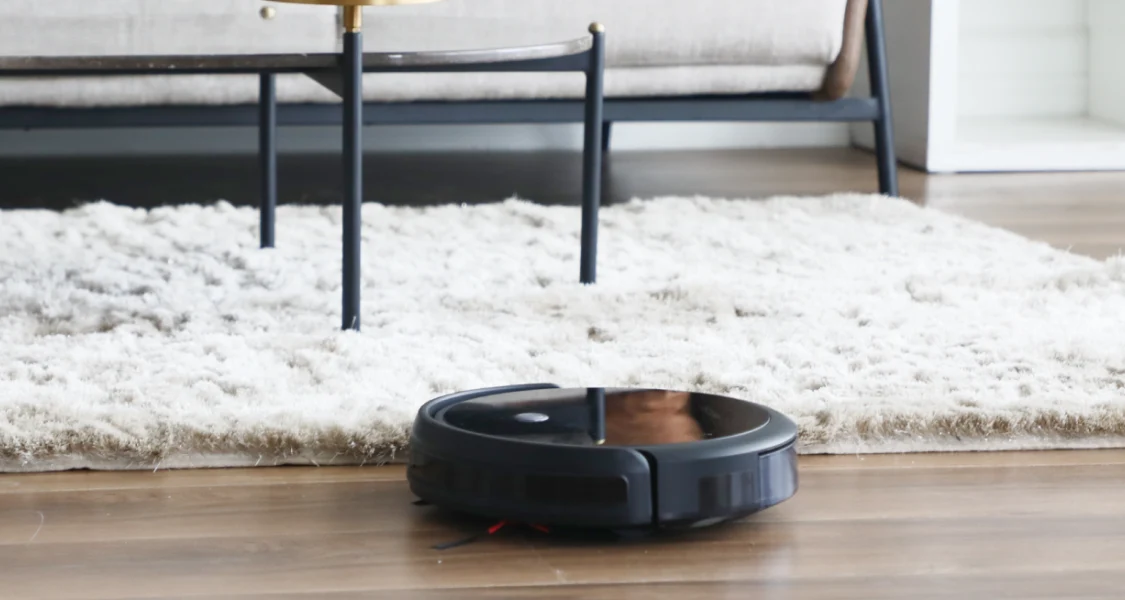
Across the United States, smart home technology is evolving at a remarkable pace, and one category is drawing more attention than ever: robot vacuums. Once considered simple gadgets that wandered around living rooms collecting dust, today’s robotic cleaners have become intelligent household assistants powered by artificial intelligence, advanced sensors, and cloud-based software.
In 2026, American consumers are embracing a new generation of robot vacuums capable of understanding room layouts, identifying objects, adapting cleaning schedules, and even coordinating with other smart home devices. Major technology companies and home appliance brands are introducing increasingly sophisticated products, transforming how families think about cleaning and home management.
As the holiday shopping season approaches and retailers promote the latest smart home devices, robot vacuums have become one of the most discussed consumer electronics products in the United States. The market is no longer only about suction power—it is about intelligence, convenience, reliability, and long-term performance.
AI Makes Robot Vacuums Smarter Than Ever
Artificial intelligence is changing nearly every category of consumer electronics, and robot vacuums are among the biggest beneficiaries of this trend.
Earlier generations relied on random movement patterns or basic mapping technology. Today’s premium models use AI vision systems, LiDAR sensors, cameras, and machine learning algorithms to understand the home environment in real time. These systems can recognize furniture, avoid pet waste, identify cables, and even detect areas that need extra cleaning.
American households with pets especially appreciate these improvements. Robot vacuums can now distinguish between toys, food bowls, shoes, and other common household objects, reducing interruptions and increasing cleaning efficiency.
Manufacturers are also integrating voice assistants into their devices. Consumers can start cleaning sessions through smartphones, smart speakers, or home hubs. The result is a more connected ecosystem in which home appliances work together rather than operating independently.
This shift reflects a broader trend in the U.S. technology industry: consumers increasingly prefer devices that automate everyday tasks and save time.
Smart Homes Drive Demand for Robotic Cleaning
The rise of smart homes is another key factor behind the popularity of robot vacuums.
Millions of Americans now use connected devices such as smart lights, security cameras, smart thermostats, and voice assistants. Robot vacuums fit naturally into this ecosystem.
Imagine arriving home after work to find your floors already cleaned, lights adjusted automatically, and indoor air quality optimized through connected devices. This vision is becoming reality in many households.
The growing integration of devices also means consumers are paying closer attention to maintenance and longevity. Buyers want products that continue performing efficiently for years rather than months.
This is why replacement components, accessories, and long-term support have become important factors in purchasing decisions. For many users, maintaining a healthy vacuum robot battery is essential to preserving cleaning performance and ensuring consistent operation.
A reliable battery allows robotic cleaners to complete larger cleaning tasks, navigate complex floor plans, and return to charging stations without interruptions.
American Consumers Expect More From Home Technology
Consumer expectations have changed dramatically over the last decade.
People no longer purchase smart devices solely because they are innovative. Instead, they seek practical benefits, durability, and measurable improvements in everyday life.
Robot vacuums illustrate this shift perfectly. Modern users evaluate multiple factors before buying:
- Navigation accuracy
- Noise levels
- Mapping capabilities
- Pet-friendly features
- App performance
- Maintenance requirements
- Battery endurance
As homes become larger and more connected, battery performance plays a crucial role in user satisfaction. A well-designed vacuum robot battery can significantly influence cleaning efficiency, operating time, and the overall experience.
This growing awareness has created opportunities for companies specializing in replacement parts, accessories, and sustainable solutions. Many consumers prefer upgrading or replacing key components instead of purchasing entirely new products.
This trend also aligns with broader environmental goals, as extending product life reduces electronic waste and promotes more responsible consumption.
The Role of AI in Predictive Maintenance
One of the most exciting developments in 2026 is predictive maintenance.
AI-powered robot vacuums are increasingly able to monitor their own condition. Sensors collect data related to cleaning efficiency, brush wear, filter performance, and battery health.
Instead of waiting for a problem to occur, the device can notify users when maintenance is needed.
This technology offers several advantages:
- Improved reliability
- Reduced downtime
- Better cleaning performance
- Longer product lifespan
- Lower maintenance costs
Battery health monitoring is becoming especially important. Intelligent systems can optimize charging cycles, reduce unnecessary power consumption, and extend operational life.
As a result, consumers are learning that proper care of a vacuum robot battery can improve both convenience and long-term value.
This emphasis on maintenance reflects a larger trend across the consumer electronics industry, where sustainability and product longevity are becoming central themes.
Competition Is Accelerating Innovation
The robot vacuum market in the United States has become highly competitive.
Established brands continue to introduce advanced features, while new companies seek to differentiate themselves through software, AI capabilities, and premium designs.
Some of the latest innovations include:
- Robotic arms for moving small objects
- Enhanced obstacle recognition
- Automated mop washing systems
- Self-emptying dust stations
- AI-generated cleaning recommendations
- Multi-floor mapping
- Voice-based room selection
Competition benefits consumers because it drives faster innovation and improves product quality.
At the same time, accessory ecosystems are expanding rapidly. Replacement filters, brushes, docking stations, and batteries have become important segments of the market.
Consumers increasingly recognize that maintaining existing devices can be more economical and environmentally responsible than replacing entire products.
Sustainability Is Becoming a Major Selling Point
Environmental concerns are influencing technology purchases across America.
Many consumers want products designed for repair, maintenance, and long-term use. Companies are responding by improving parts availability and offering better customer support.
Robot vacuums fit well into this movement because they are used frequently and contain components that can be replaced over time.
Instead of discarding a device when performance declines, users can extend its life through maintenance and upgrades.
This approach supports sustainability while also reducing costs.
Manufacturers that emphasize durability, repairability, and responsible design are likely to attract growing numbers of environmentally conscious customers.
What Comes Next for Robot Vacuums?
The future of robotic cleaning looks incredibly promising.
Industry experts expect future devices to become even more autonomous, intelligent, and integrated into daily life. Advanced AI models may allow robot vacuums to learn household routines, adapt to changing environments, and coordinate with other home systems.
We may soon see robot vacuums that communicate with air purifiers, smart kitchens, security systems, and energy management platforms.
In this connected future, robotic cleaning will become less about a single appliance and more about an entire ecosystem of intelligent technologies working together.
For American consumers, the benefits are clear: cleaner homes, greater convenience, lower maintenance costs, and more time for family, work, and personal interests.
The transformation of robot vacuums from simple cleaning tools into AI-powered home assistants represents one of the most exciting developments in consumer electronics today.
As innovation continues, these devices will play an increasingly important role in shaping the smart homes of tomorrow.
