
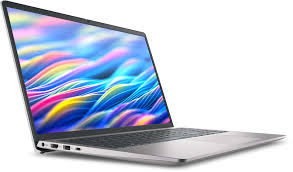
With original batteries for iPhones, Samsung Galaxy devices, and laptops increasingly expensive in 2025, many people are turning to third-party alternatives. But how do you avoid the pitfalls in a market where quality varies wildly? The key is striking a balance between safety and your specific needs. Here’s your actionable guide to choosing third-party batteries and power supplies this Christmas season.
Safety First: Non-Negotiable Certifications
Frequent safety incidents—swelling, overheating, even fires—stem from low-cost cells combined with substandard Battery Management Systems (BMS). Always verify certifications before purchasing.
For Australian Buyers: Look for products carrying RCM (Regulatory Compliance Mark) for the Australian market, plus international certifications like UL (U.S.) or CE (EU). For power banks, ensure compliance with IEC 62133 battery safety standards. Products lacking any certification—commonly found in ultra-cheap listings on Amazon AU or eBay—carry significant safety risks. Skip them entirely.
Beware False Claims: A phone battery advertised as “5000mAh” may deliver only 4000mAh in reality. Power banks labeled “20000mAh” might charge your iPhone or Samsung only once due to conversion inefficiencies. Check third-party test reports from SGS or TÜV Rheinland, or read detailed user reviews on platforms like Amazon AU.
Core Components: Cells and BMS Matter Most
Cell Quality: For phones and laptops from Apple, Samsung, Huawei, or Google, prioritize ternary lithium batteries offering high energy density. For power banks and storage devices, lithium iron phosphate provides better heat resistance and longer cycle life. Check if products list reputable cell manufacturers like ATL, Lishen, or BYD—established brands maintain stricter quality control.
BMS Protection: At minimum, third-party batteries must include triple protection: overcharge, over-discharge, and short-circuit safeguards. Premium options from brands like Anker or ZMI feature intelligent BMS that learns usage patterns—reducing current during office work, boosting output during gaming, and limiting charging in cold Australian winters to prevent lithium plating.
Compatibility: Physical Fit Isn’t Everything
Size and Ports: Phone batteries must match internal dimensions precisely—iPhone’s L-shaped design, for example, requires exact specifications. Laptop batteries for MacBooks, Dell XPS, or HP Spectre models need matching connector types and mounting methods.
Protocol Support: For fast charging, third-party batteries must support your device’s protocols. iPhones require USB-PD protocol for 20W+ charging; Xiaomi devices need Surge Charging protocol for 120W speeds; Samsung requires PPS (Programmable Power Supply) for optimal Galaxy charging. Verify protocol compatibility before purchasing.
Trusted Brands for Australian Consumers
Phone/Tablet Batteries: PISEN offers wide compatibility and value. ZMI provides excellent Xiaomi ecosystem integration with strong protocol support.
Power Banks/Chargers: Anker leads in fast-charging technology with excellent Australian availability. Belkin offers Apple-certified options. Xiaomi delivers outstanding value with full protocol support.
Laptop Batteries: Seek manufacturer-authorized third parties or established brands like PISEN’s laptop range. Always verify warranty terms—prioritize 1-2 year coverage from sellers offering clear return policies through JB Hi-Fi, Officeworks, or Amazon AU.
The Bottom Line
Whether replacing batteries in your iPhone 15, Samsung Galaxy S24, Google Pixel, or MacBook this holiday season, remember: safety certifications are non-negotiable, false capacity claims are common traps, compatibility requires careful verification, and trusted brands provide peace of mind. Every dollar spent wisely on quality third-party batteries delivers both safety and genuine value.
