
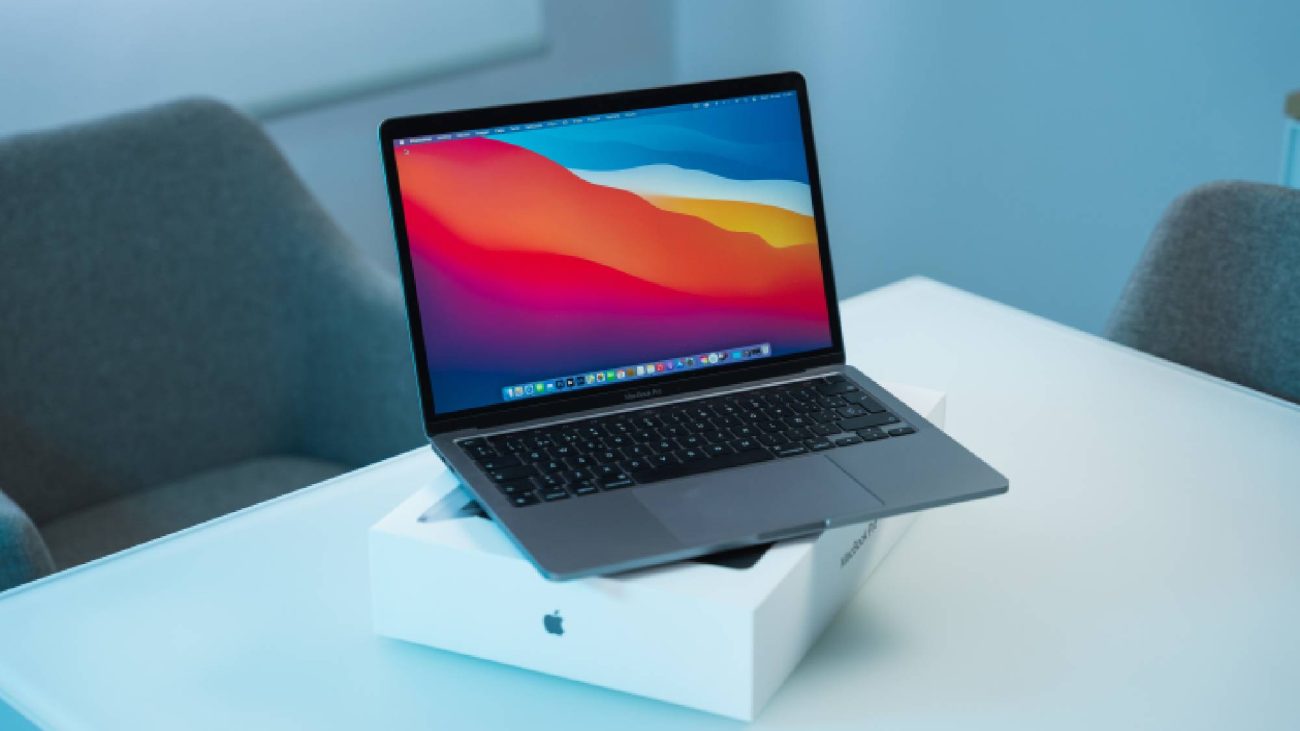
In a move that could reshape the affordable laptop market, Apple is reportedly developing a new, low-cost MacBook that would sit below its existing Air and Pro lines. According to insights shared by veteran analyst Ming-Chi Kuo, the device—tentatively dubbed the “MacBook SE”—might launch as early as late 2025 or early 2026, with mass production expected to begin in the fourth quarter of 2025 or the first quarter of 2026. What makes this rumored machine particularly intriguing is its choice of processor: instead of using Apple’s next-generation M5 chip, the MacBook SE is said to run on the A18 Pro Bionic, the same chip that powers the iPhone 16 Pro. This unconventional decision hints at a clear strategic goal: to slash costs without sacrificing core performance, positioning the MacBook SE as a direct competitor to Chromebooks in the education sector.
Design and Specifications
To keep the price accessible, Apple is reportedly exploring cost-cutting measures in both materials and manufacturing. Early rumors suggest the MacBook SE could feature a rigid plastic chassis—similar to what Apple used for the Apple Watch SE 3—rather than the aluminum unibody found on premium MacBooks. This shift would reduce production costs significantly while still offering durability suitable for student use. Kuo also mentioned that the laptop might come in four vibrant case colors: silver, blue, pink, and yellow. Such a palette would appeal to younger audiences, aligning with Apple’s desire to make the device feel approachable and personal.
Under the hood, the A18 Pro Bionic chip is no slouch. While it lacks the advanced multi-core capabilities of Apple’s M-series processors, it delivers impressive single-core performance and energy efficiency—traits that are ideal for web browsing, document editing, and running educational apps. By reusing a proven smartphone chip, Apple can leverage economies of scale and keep the final price low, potentially under $600. The display size remains unconfirmed, but analysts speculate a 12- or 13-inch LCD panel to further reduce expenses.
Why Target Chromebooks?
At first glance, competing with Chromebooks might seem unusual for Apple, a company known for premium pricing. However, Chromebooks have become the de facto standard in K-12 education due to their low cost, ease of management, and reliance on web-based tools. Apple has struggled to gain a foothold in this segment; despite the popularity of iPads in some schools, macOS devices have largely been absent from younger classrooms due to their higher price points. The MacBook SE aims to change that by offering a full desktop operating system—with access to native apps, Apple Intelligence, and the vast Mac App Store—at a fraction of the usual cost. For students, this means a richer computing experience that isn’t limited to a browser. For educators, it provides a more versatile platform for coding, creative projects, and productivity software.
The Long Game: Building Ecosystem Loyalty
Perhaps the most compelling reason for Apple to release a low-cost MacBook is not immediate profit but long-term customer acquisition. By placing macOS devices into the hands of millions of students, Apple can cultivate brand familiarity from an early age. The company has already mastered this strategy with the iPhone and iPad; now it seeks to replicate it in computing. If young learners grow up using MacBooks, they are far more likely to choose Apple products for college, work, and beyond. This would directly challenge Microsoft Windows’ decades-long dominance as the “standard” operating system. Microsoft achieved similar lock-in with Windows 95, which became ingrained in schools and offices worldwide. Apple now sees an opportunity to rewrite those digital instincts for a new generation.
Meanwhile, Google’s Chrome OS has successfully penetrated education, but it has not translated that into widespread consumer adoption outside of schools. Apple, however, can leverage its existing ecosystem—iMessage, iCloud, Apple Music, and the App Store—to create a seamless transition from classroom to personal use. A student who uses a MacBook SE at school would likely want an iPhone at home, and vice versa. That cross-device synergy is something neither Google nor Microsoft can easily match.
Market Impact and Sales Projections
According to Kuo, if the MacBook SE launches as expected, it could ship between 5 and 7 million units in 2026 alone. While that number is modest compared to overall Mac sales, it represents a significant entry into a price-sensitive market that Apple has historically ignored. Success in education would also put pressure on Chromebook manufacturers like Acer, Lenovo, and HP, potentially forcing them to improve features or lower prices further.
Of course, the MacBook SE remains unconfirmed by Apple, and the company could still cancel or delay the project. However, the persistence of rumors dating back to September 2023 suggests serious internal exploration. If Apple does release a plastic-bodied, A18-powered MacBook SE at a Chromebook-competitive price, it could mark a turning point—not just for Apple, but for the entire low-cost laptop industry. The classroom, long a battleground for tech giants, may finally see a new contender worthy of attention.
