
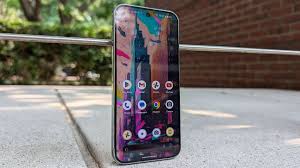
As winter 2026 grips North America and Europe, smartphone users from Toronto to Helsinki face a familiar crisis: devices suddenly shutting down in sub-zero temperatures. When your iPhone 16, Samsung Galaxy S26, or Google Pixel 9 pro displays “Battery too cold to charge,” the temptation to force a charge is strong—but dangerous.
Understanding Cold Protection
Lithium-ion batteries in modern devices—from MacBook Pros to iPad Air 7s to Surface Pro 11s—rely on lithium ions moving between electrodes. Below 0°C (32°F), ionic mobility slows drastically and internal resistance spikes. Battery Management Systems (BMS) activate “cold protection” to prevent catastrophic failure. This isn’t a bug—it’s a critical safety feature built into every major brand’s devices.
Three Critical Risks of Forced Charging
1. Lithium Plating: When ions can’t properly intercalate at low temperatures, they form needle-like dendrites on the anode surface. These conductive structures can pierce the separator, causing short circuits—potentially leading to fires or explosions. While Apple, Samsung, and Lenovo implement multiple safety layers, repeated dendrite formation permanently weakens batteries.
2. Permanent Capacity Loss: Forcing current through cold batteries degrades cathode materials and breaks down electrolytes. Within months, your device may lose 30-40% of its original battery life, even after warming.
3. Voided Warranty: Both Apple Care+ and Samsung Care+ explicitly exclude damage from charging outside 0–35°C (32–95°F). Repair costs can exceed $200-300.
Real Case: Winnipeg, January 2026
A user forced-charged their frozen Galaxy S26 under a jacket during a -35°C storm. Days later, the battery swelled from lithium plating damage—$380 repair not covered by warranty.
Safe Practices
• Warm gradually: Keep devices at room temperature (15–25°C) for 30-60 minutes before charging
• Avoid temperature shocks: Don’t move from -20°C outdoors to heated cars immediately
• Pre-charge to 80-90%: Before cold exposure
• Use insulated cases: OtterBox and LifeProof offer thermal protection options
Your device’s cold protection safeguards both safety and longevity. Respect temperature limits—your smartphone, tablet, or laptop will thank you all winter long.
