
Ever been stuck with a dead iPhone or Samsung Galaxy in a café? Shared power banks are the solution. But what’s happening inside that sleek device? Let’s explore the technology behind these portable lifesavers.
1. Core Component: Lithium-Ion Battery
Every shared power bank contains a lithium-ion (Li-ion) battery pack—the same technology used in Apple iPhones, Samsung tablets, Dell laptops, and Tesla vehicles. Li-ion batteries offer high energy density and slow self-discharge, making them ideal for portable power. Most shared power banks range from 5,000mAh to 20,000mAh, though actual output is lower due to energy conversion losses.
2. Charging: Replenishing the Battery
Power banks store electricity from external sources via USB-C or Micro-USB ports. When connected to a wall adapter or docking station, AC power converts to DC. A Battery Management System (BMS) monitors the process, preventing overcharging, balancing cells, and managing heat—similar to how Huawei and Xiaomi devices protect their batteries.
3. Discharging: Powering Your Device
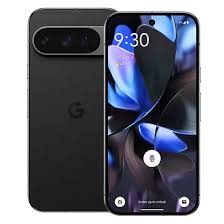
When you connect your Google Pixel 9 pro or iPad, the power bank activates. A boost converter adjusts voltage from 3.7V to the required 5V–12V. Modern devices use charging protocols like USB Power Delivery (PD) or Qualcomm Quick Charge (QC) to negotiate optimal power levels, enabling fast charging for compatible devices like OnePlus or Lenovo tablets.
4. Safety Features
The BMS provides critical protection:
• Overcurrent Protection – Prevents damage from faulty cables
• Over-Temperature Protection – Cuts power above 60°C
• Short-Circuit Protection – Immediate shutdown if ports are shorted
5. Why Some Charge Slowly
Compact designs limit cooling capacity, causing heat-related slowdowns. Budget power banks use cheaper components that default to slow 5W output. Additionally, batteries degrade over time—a two-year-old unit may deliver only 70% capacity.
Conclusion
Shared power banks combine Li-ion technology with smart circuitry for safe, portable charging. Whether you’re powering a Microsoft Surface or Sony Xperia, these devices work through careful voltage regulation, protocol negotiation, and comprehensive safety systems—keeping your devices alive when you need them most.
